Smart Vehicle Terminals
Smart Vehicle Terminals and Mobile Data Terminals for Fleets
Rugged vehicle displays, vehicle tablets, mobile data terminals, and intelligent in-vehicle terminals for commercial vehicle cabins and fleet operations.
Product positioning
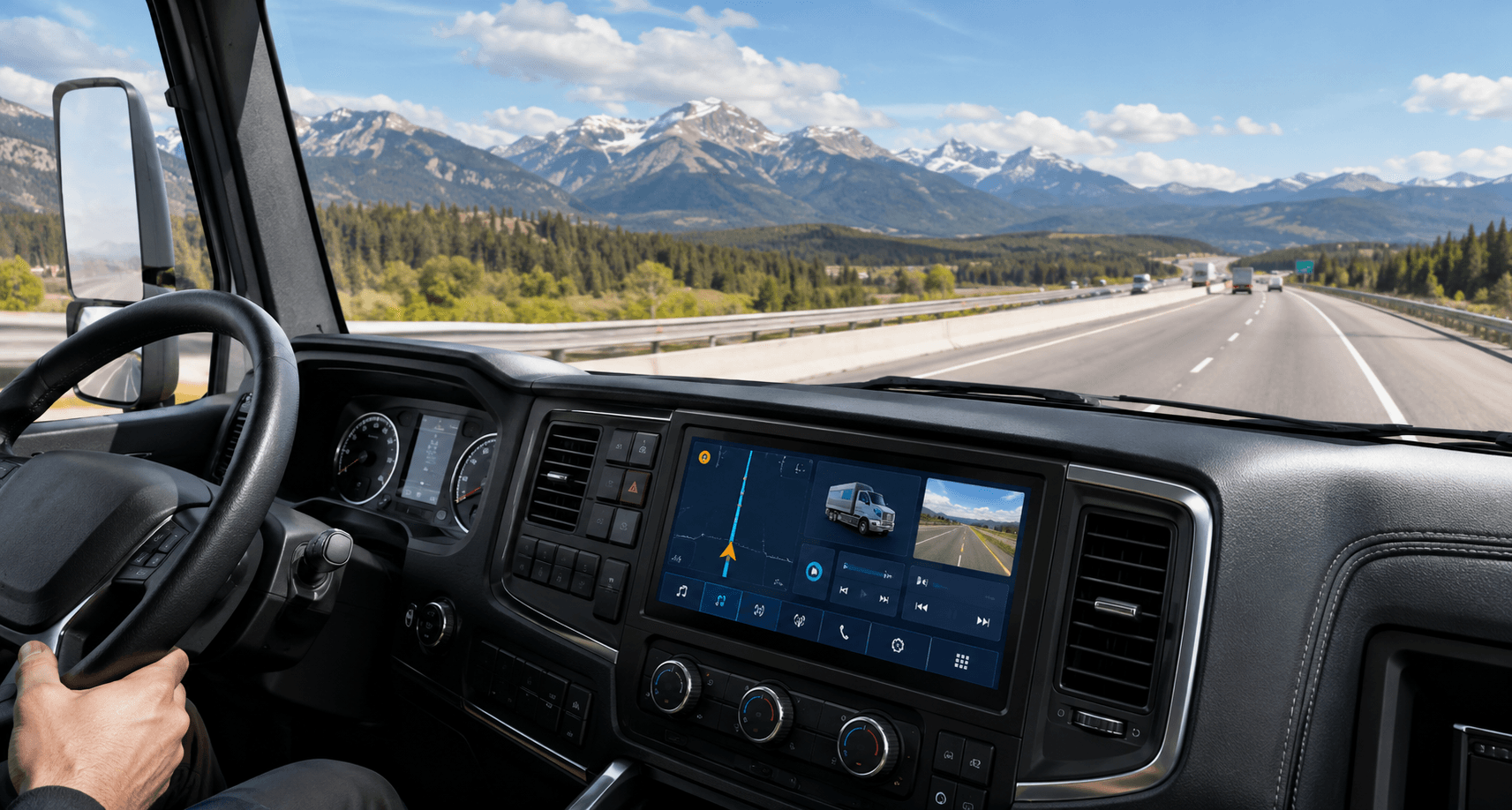
Smart Vehicle Terminals for Commercial Vehicle Cabins
Use this page when OEMs, fleet operators, system integrators, distributors, and OEM/ODM partners need to compare rugged vehicle display, vehicle tablet, mounting, camera input, and platform connection directions before confirming a terminal configuration.
Core modules
Vehicle Tablets, Mobile Data Terminals and Rugged Displays
Each module explains how a smart vehicle terminal, mobile data terminal, or rugged vehicle tablet can support driver display, data interaction, camera visibility, and fleet operation workflows.
01 / Display visibility
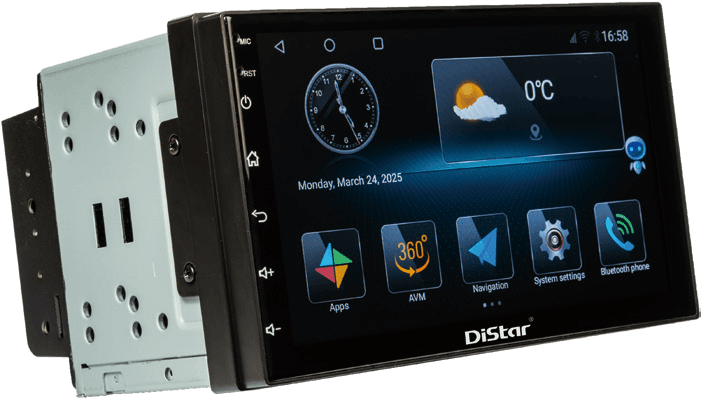
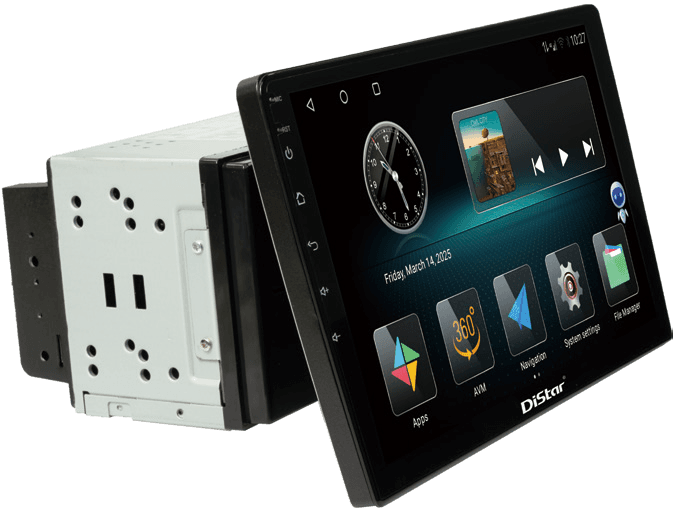
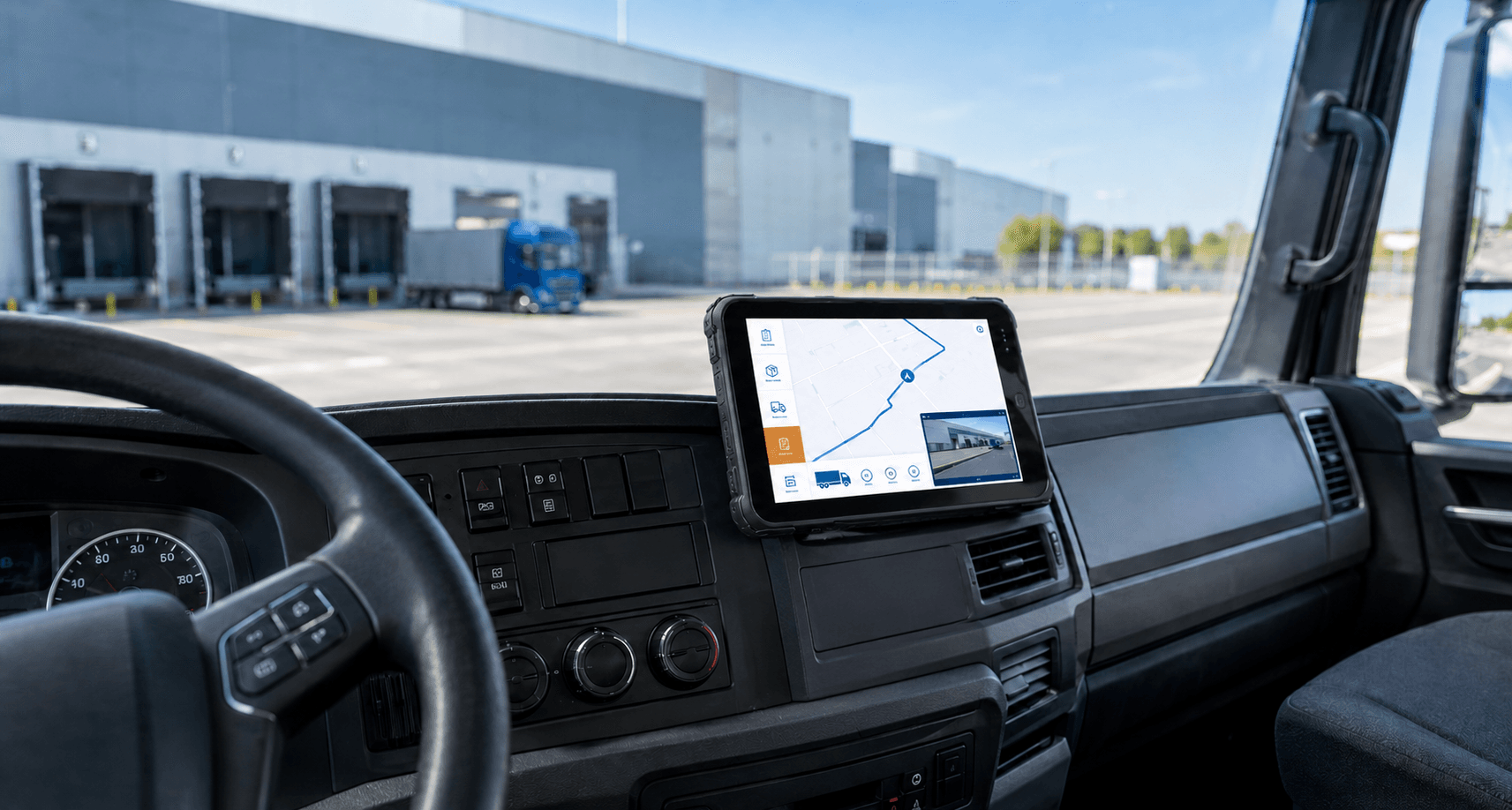
Rugged In-Vehicle Displays
Rugged vehicle display directions for driver information, camera video, vehicle status, and operating workflows in commercial vehicle cabins.
- Cabin display and monitor projects
- Camera and video input review
- Mounting and screen size discussion
02 / Connected operation
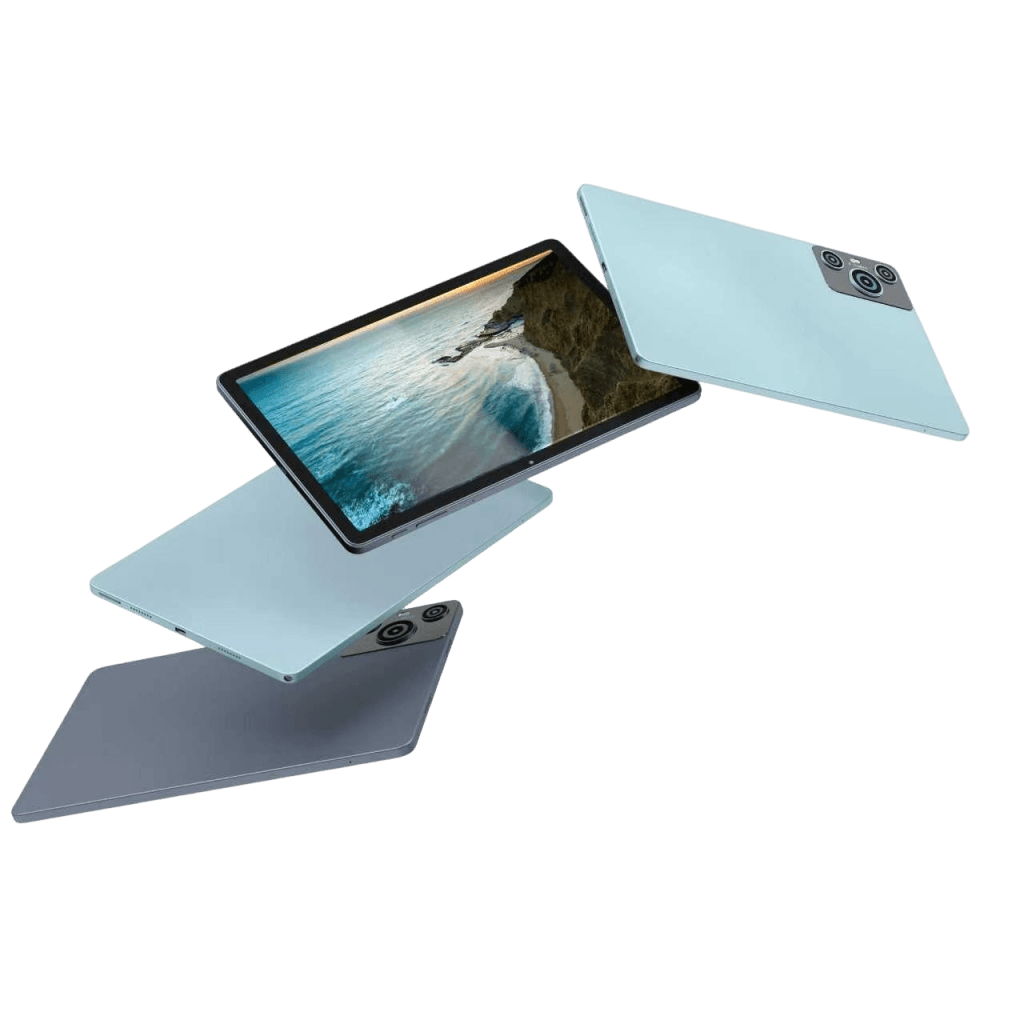
Vehicle Tablets for Commercial Fleets
Vehicle tablet and in-vehicle tablet directions for connected vehicle applications, data access, and mobile fleet workflows.
- Rugged vehicle tablet application direction
- Driver workflow and data access review
- Connectivity and platform requirement discussion
03 / Configuration review
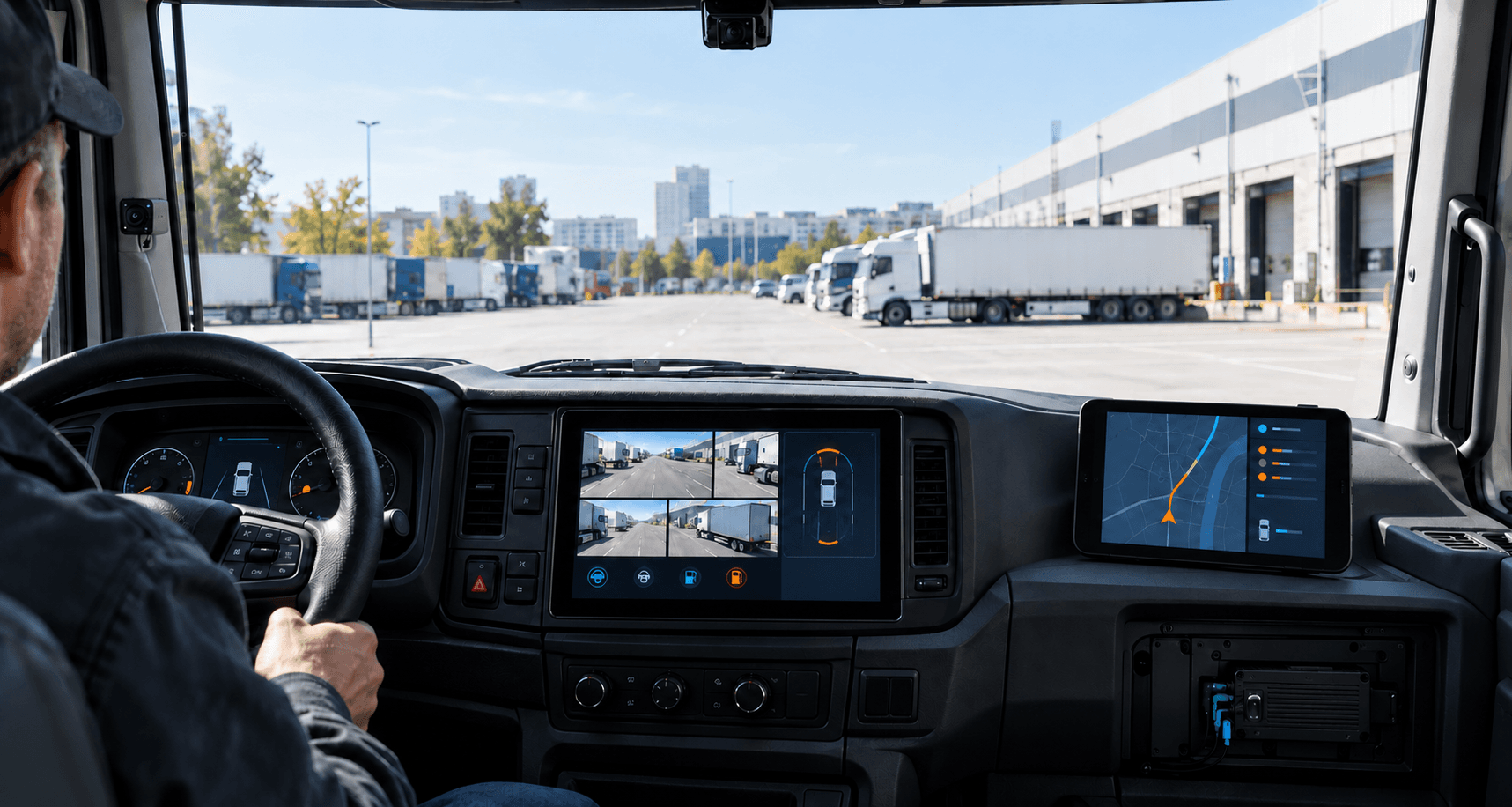
Mobile Data Terminal Integration
Match mobile data terminal hardware, display needs, camera inputs, vehicle system connection, and software scope around the project.
- Vehicle type and installation review
- Interface and accessory discussion
- OEM/ODM configuration planning
Project workflow
From Cab Installation to Fleet Operation Workflow
A smart vehicle terminal project usually starts with the vehicle cabin, then moves through display needs, mobile data terminal interfaces, software workflow, and deployment support.
Confirm vehicle type, mounting position, display size direction, and driver usage environment.
Review camera inputs, data interfaces, power, network, and accessory requirements.
Map navigation, video, fleet, dispatch, or inspection workflows to the terminal.
Confirm branding, software, documentation, packing, and after-sales requirements.
Feature map
Qualify Smart Terminal Fit Before Quotation
Use these as product direction blocks. Replace with confirmed specifications only after datasheets and project requirements are approved.
Application fit
Smart Terminals for Bus, Truck and Special Vehicle Applications
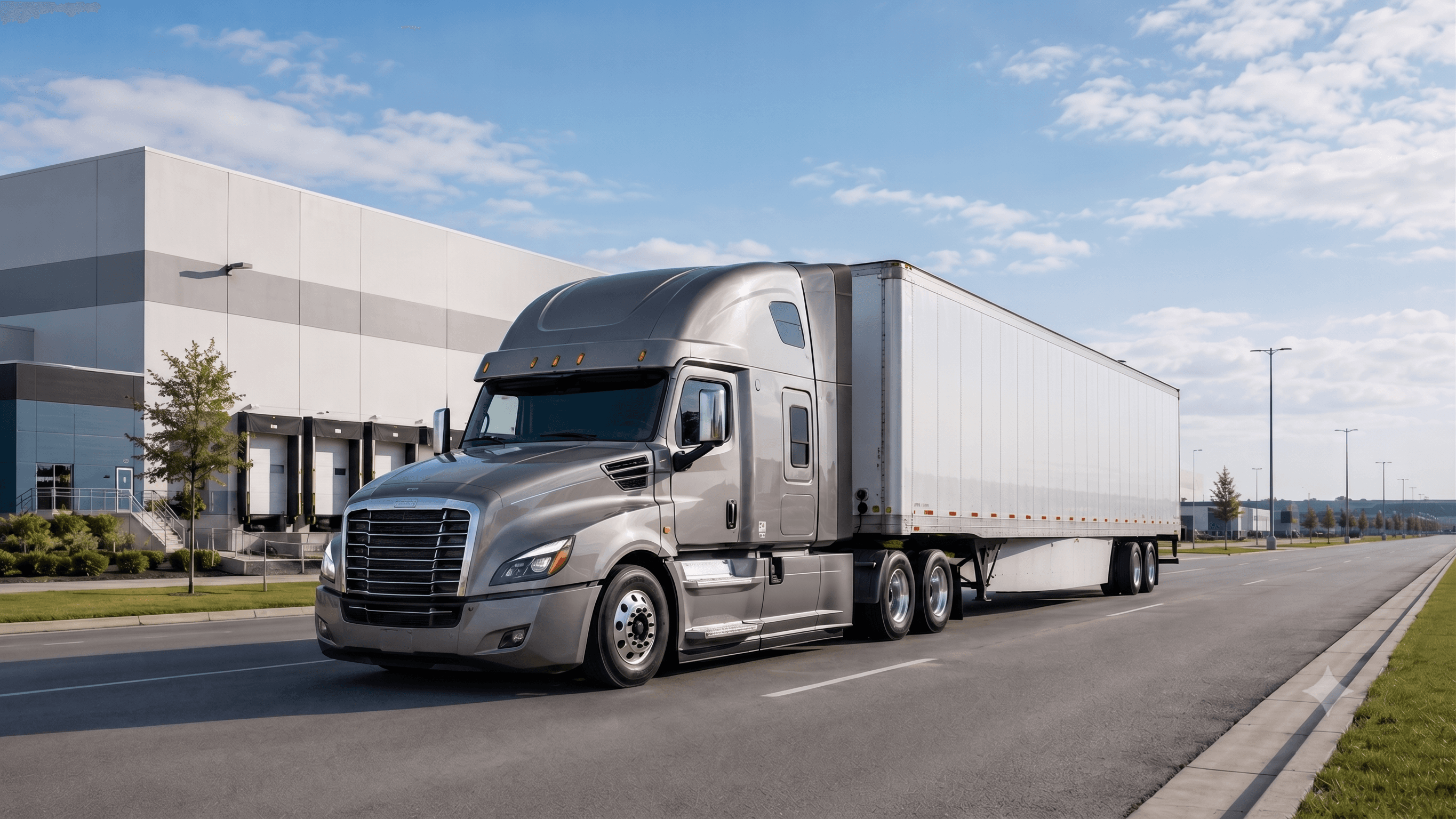
Commercial Fleets
Terminals and displays for driver workflows, video visibility, and connected truck fleet operations.
Explore Logistics & Truck Solutions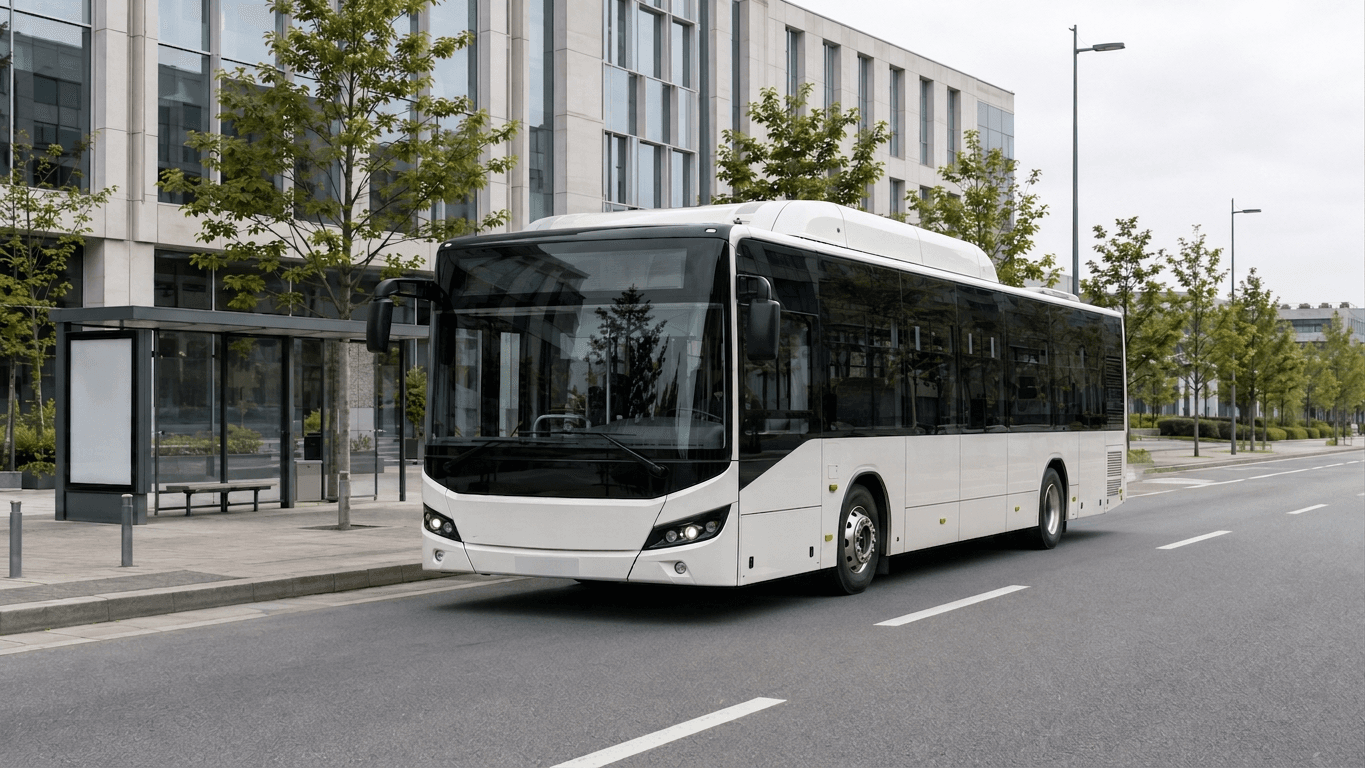
Bus & Coach
Display and tablet directions for passenger vehicle monitoring and operating information.
View City Bus Solutions
Special Vehicles
Rugged terminal review for emergency, construction, and special-purpose vehicle projects.
View Special Vehicle SolutionsSelection FAQ
What information is needed before model selection?
Vehicle type, mounting position, screen size direction, camera inputs, interface needs, software workflow, branding, quantity range, and installation environment.
Can displays and tablets connect with cameras or MDVR?
They can be reviewed together. Final compatibility depends on camera inputs, recorder interfaces, display requirements, and software scope.
Are detailed specifications fixed on this page?
No. Screen size, OS, ports, certifications, MOQ, delivery, and warranty should be added only after confirmation from current product materials.
What is a mobile data terminal, and how is it used in commercial vehicles?
A mobile data terminal is an in-vehicle terminal used for data interaction, driver workflow, and fleet operations. In commercial vehicles, it can help present vehicle information, support operating tasks, and connect project workflows for fleets, buses, trucks, and special vehicles.
How should buyers choose between a vehicle tablet, an in-vehicle tablet, and a mobile data terminal?
These terms can overlap by project. A vehicle tablet usually emphasizes a rugged tablet-style device, an in-vehicle tablet emphasizes cabin installation and display use, and a mobile data terminal emphasizes data interaction and workflow connection. Choose by vehicle type, mounting environment, display needs, and system connection requirements.
Request product guidance
Share the target vehicle, terminal type, display needs, data workflow, camera inputs, and OEM/ODM requirements. The team can review a suitable smart vehicle terminal direction.