AI Thermal Imaging System
AI Thermal Imaging System for Commercial Vehicles
A focused product page for commercial vehicle thermal imaging projects where trucks, fleets, and special vehicles need better awareness in low-visibility driving conditions.
Product positioning
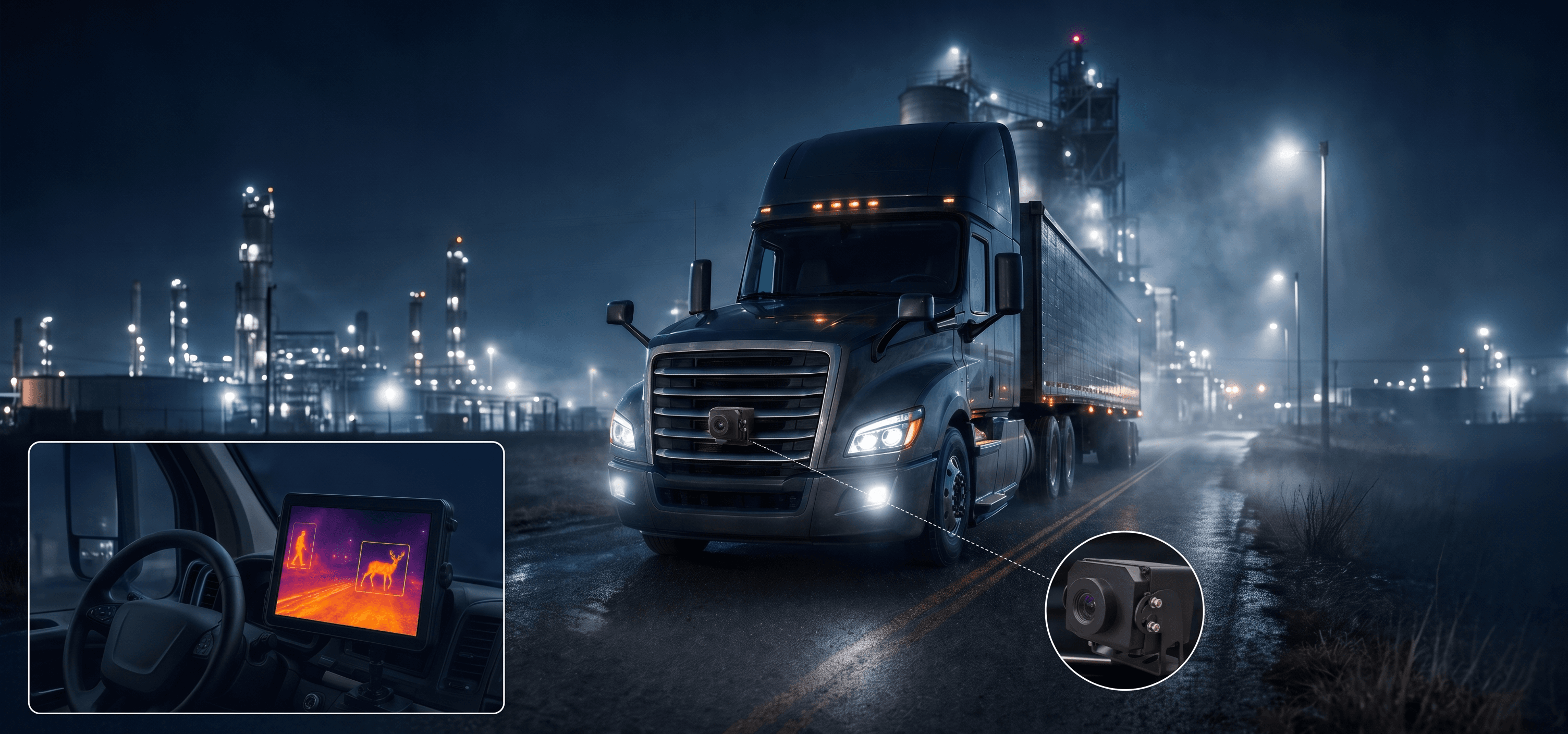
Commercial Vehicle Thermal Imaging System for Low-Visibility Driving
Use this page when buyers need to evaluate a vehicle thermal camera or truck thermal camera direction before confirming camera model, display, MDVR, alarm workflow, and installation requirements.
Core modules
Vehicle Thermal Camera, Display and Integration Choices
Each module explains how a thermal camera for low-visibility driving can connect with driver display, warning, MDVR, platform, and project integration needs.
01 / Perception input
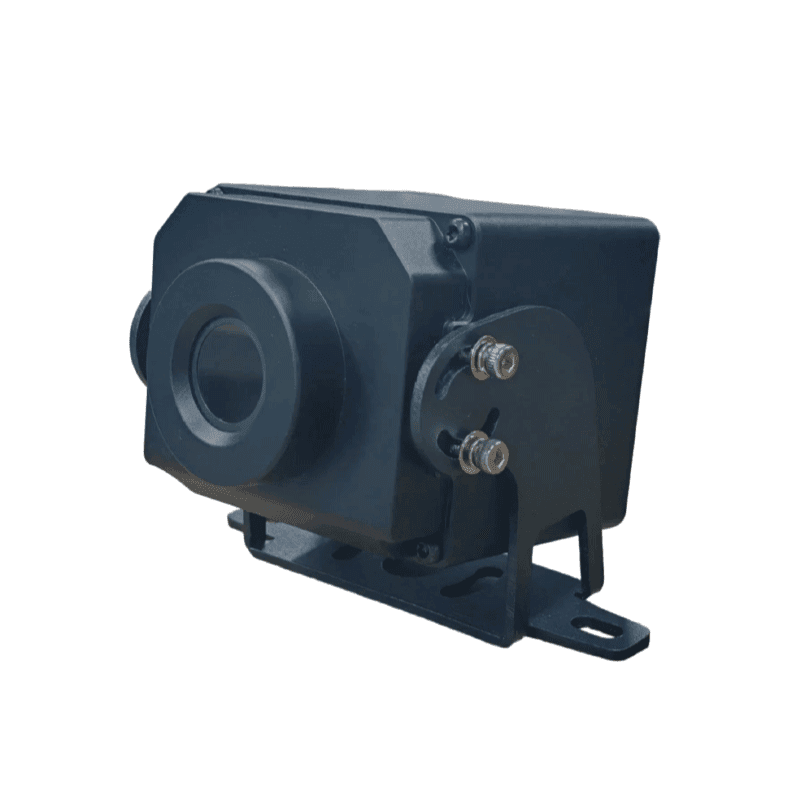
Vehicle Thermal Camera
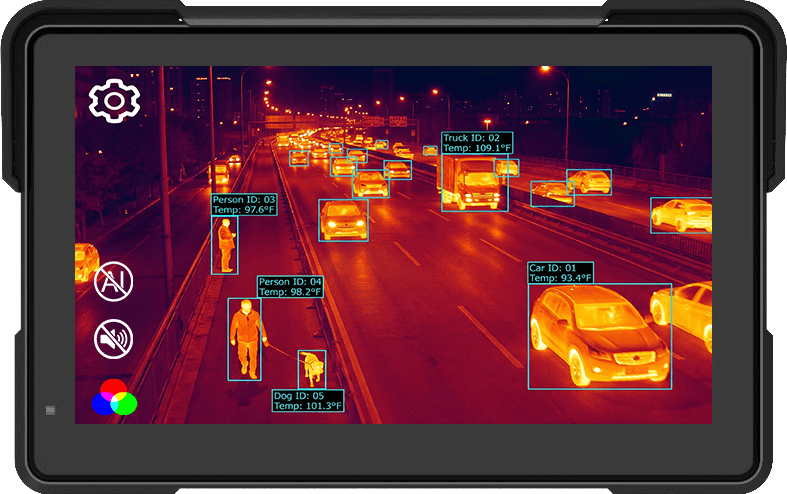
Vehicle thermal camera direction for identifying road risks such as pedestrians, vehicles, animals, objects, and work-site hazards in dark or visually difficult environments.
- Night and low-light visibility
- Fog, rain, glare, and dust scenario review
- Commercial vehicle mounting and field-of-view discussion
02 / Cabin visibility
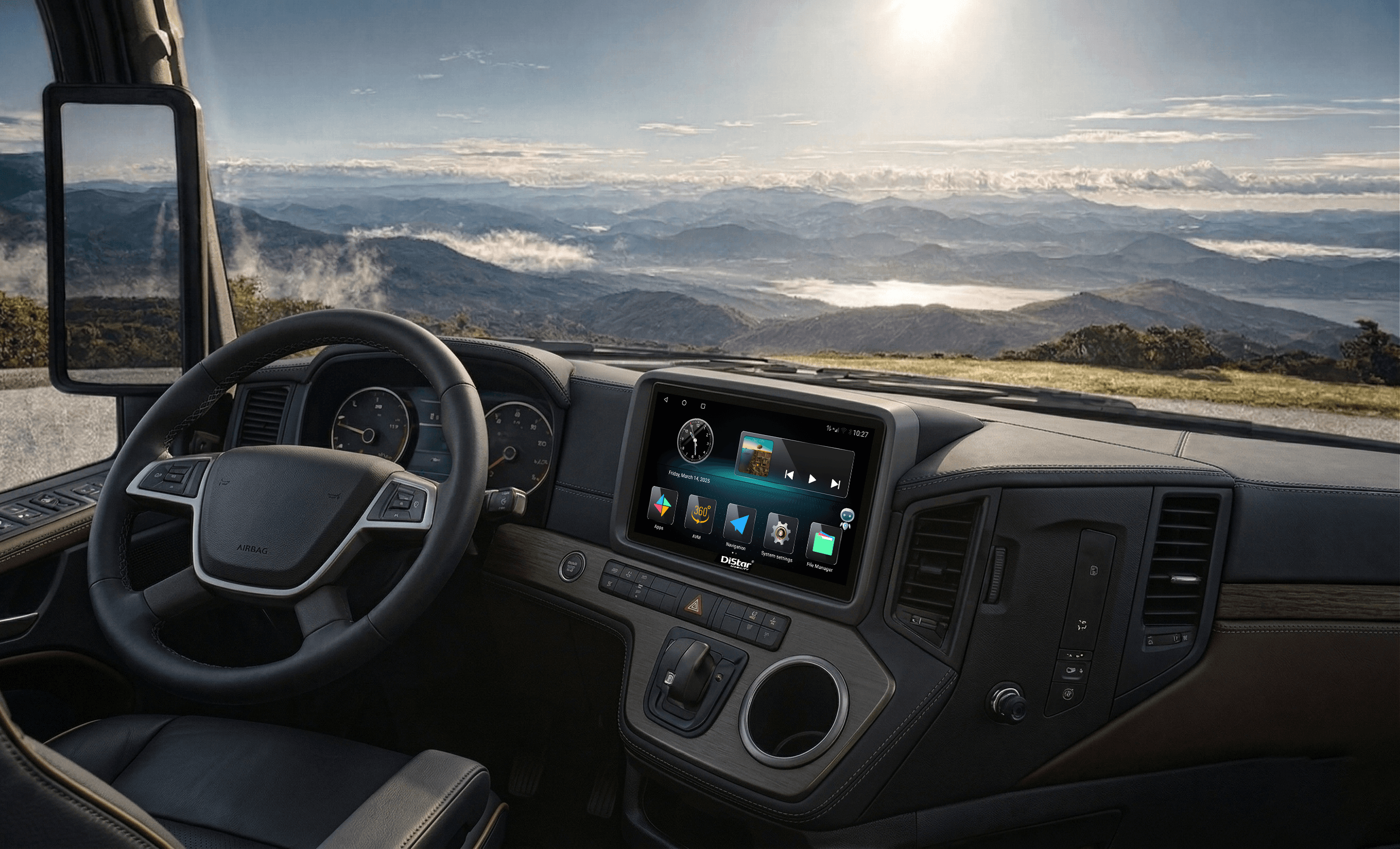
Thermal Display & Driver Alert
Plan how thermal video and alerts should appear to the driver through a display, terminal, or integrated cockpit workflow for night driving and low-visibility operation.
- In-cab thermal video direction
- Warning and alert workflow discussion
- Display or terminal matching
03 / System workflow
Thermal Video, MDVR & Platform Integration
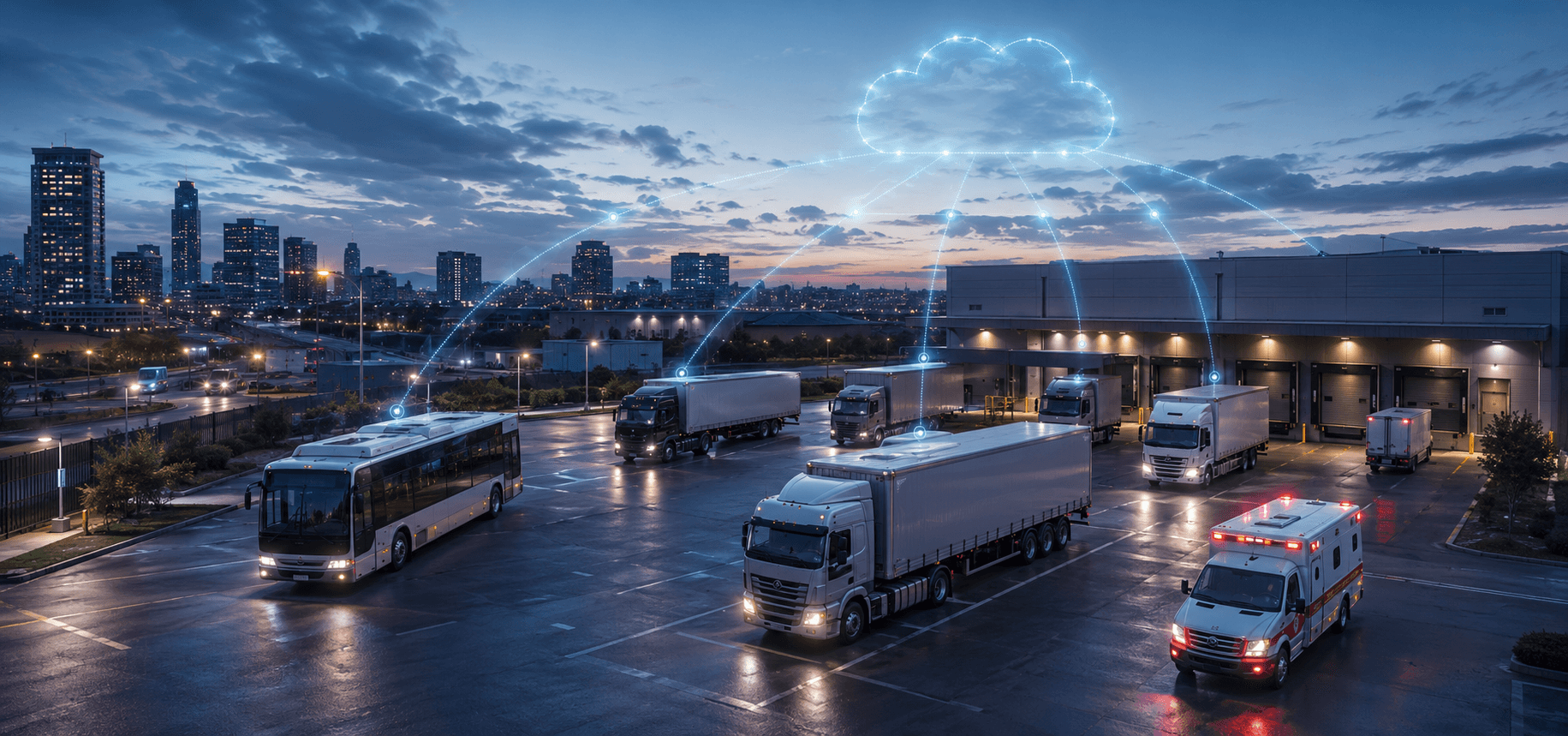
Review thermal video recording, event review, platform connection, and multi-camera planning when the thermal imaging system needs to work with broader vehicle monitoring.
- MDVR recording review
- Remote event review direction
- Integration with AI Safety & Vision projects
Project workflow
From Low-Visibility Thermal View to Driver Action
Thermal imaging projects should define the night driving or low-visibility scenario, camera position, display workflow, recording needs, and project-specific confirmation items.
Confirm darkness, fog, rain, glare, blind spot, work-site, or night-driving scenarios.
Review mounting position, field-of-view needs, vehicle type, and installation environment.
Plan display, terminal, audible alert, or cockpit warning workflow.
Confirm MDVR, platform, event review, and data handling requirements if needed.
Feature map
Qualify Thermal Imaging System Fit Before Quotation
These are qualification blocks, not final specification claims. Add exact detection, lens, temperature, IP, and certification data only after confirmation.
Application fit
Match Thermal Imaging by Commercial Vehicle Scenario
Night Logistics
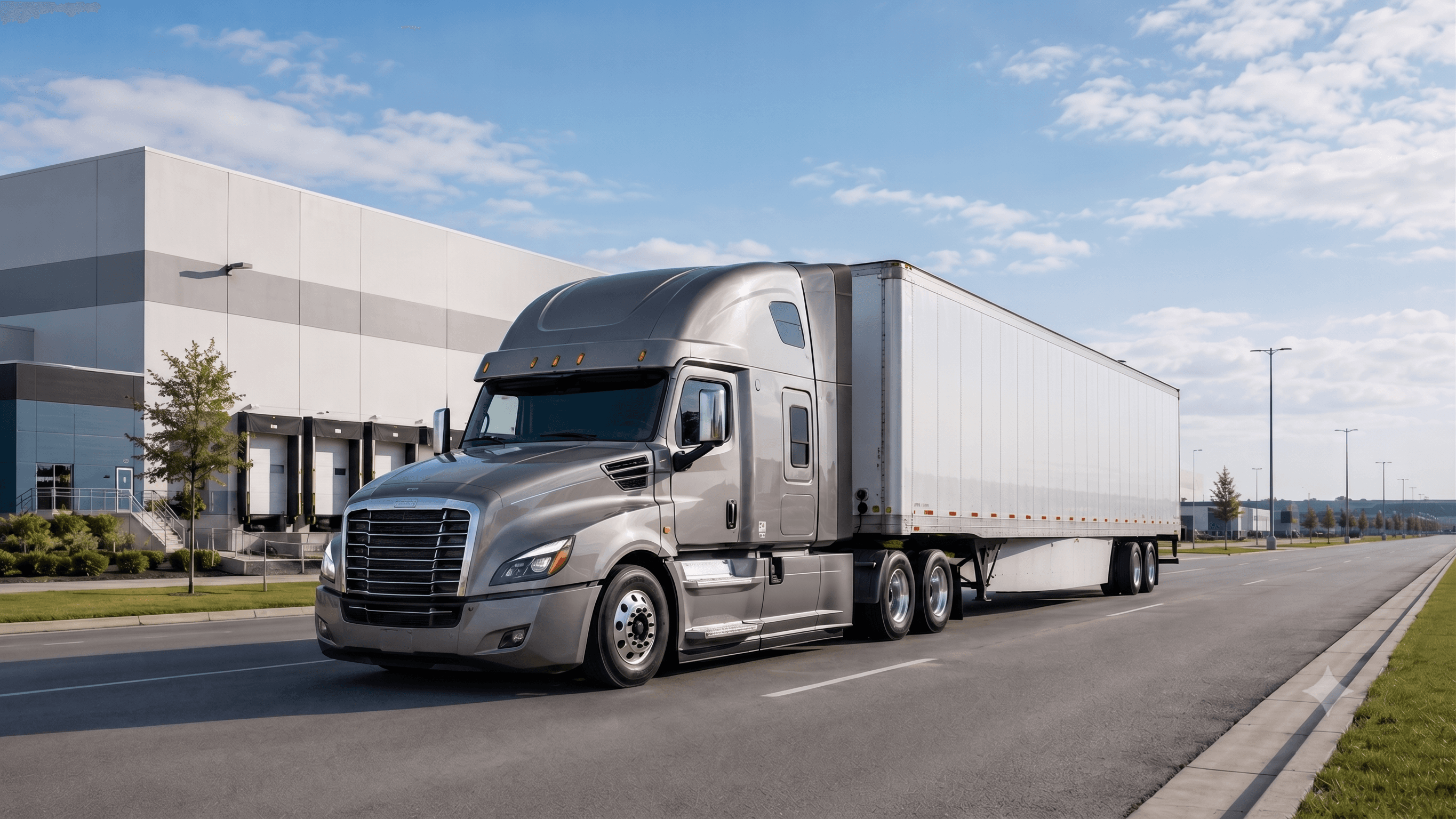
Thermal visibility and driver alert directions for night-driving truck operations.
Explore Logistics & Truck Solutions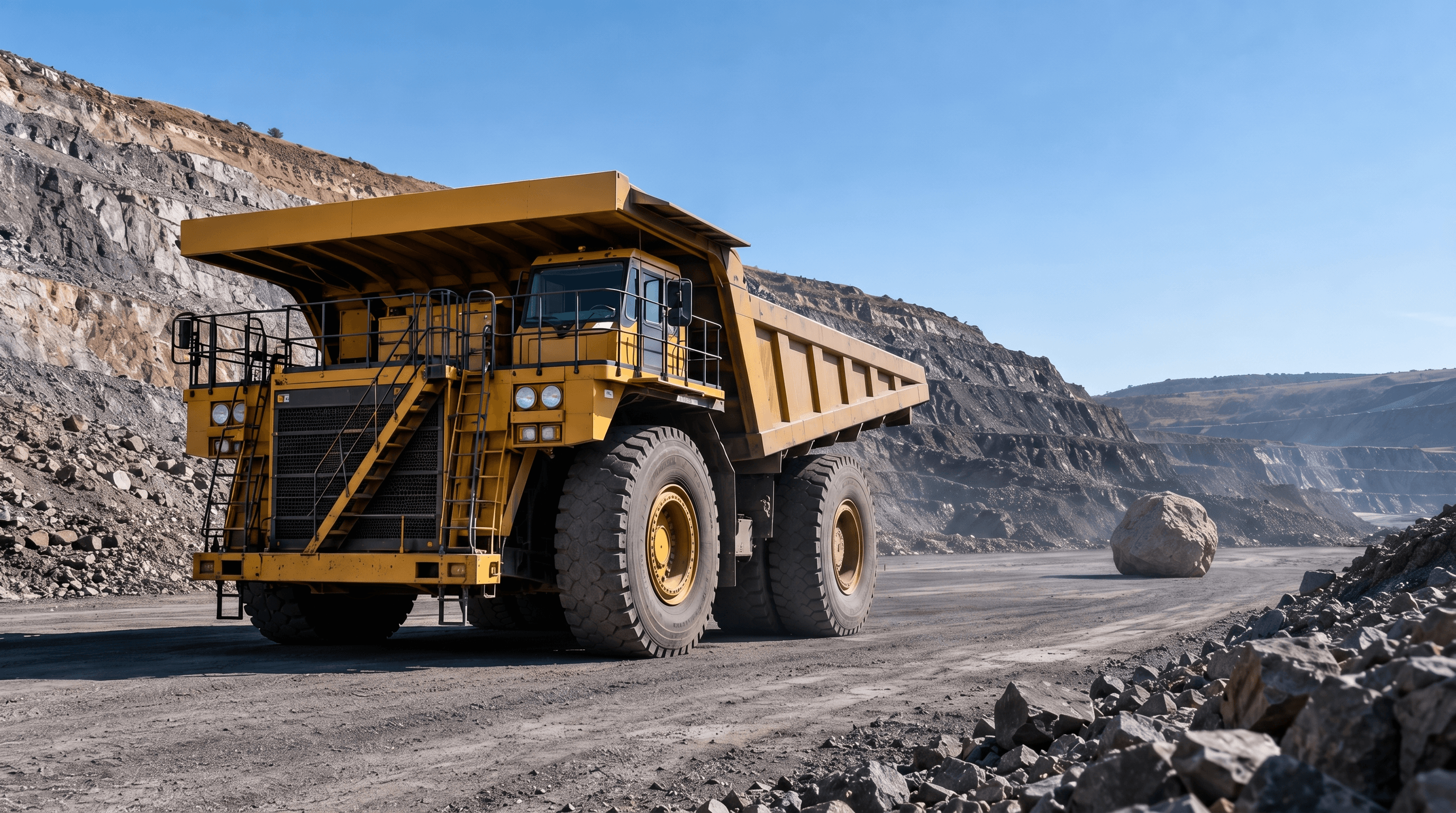
Mining & Work Sites
Low-visibility and rugged environment directions for heavy equipment and mining vehicles.
Explore Mining Vehicle Safety Solutions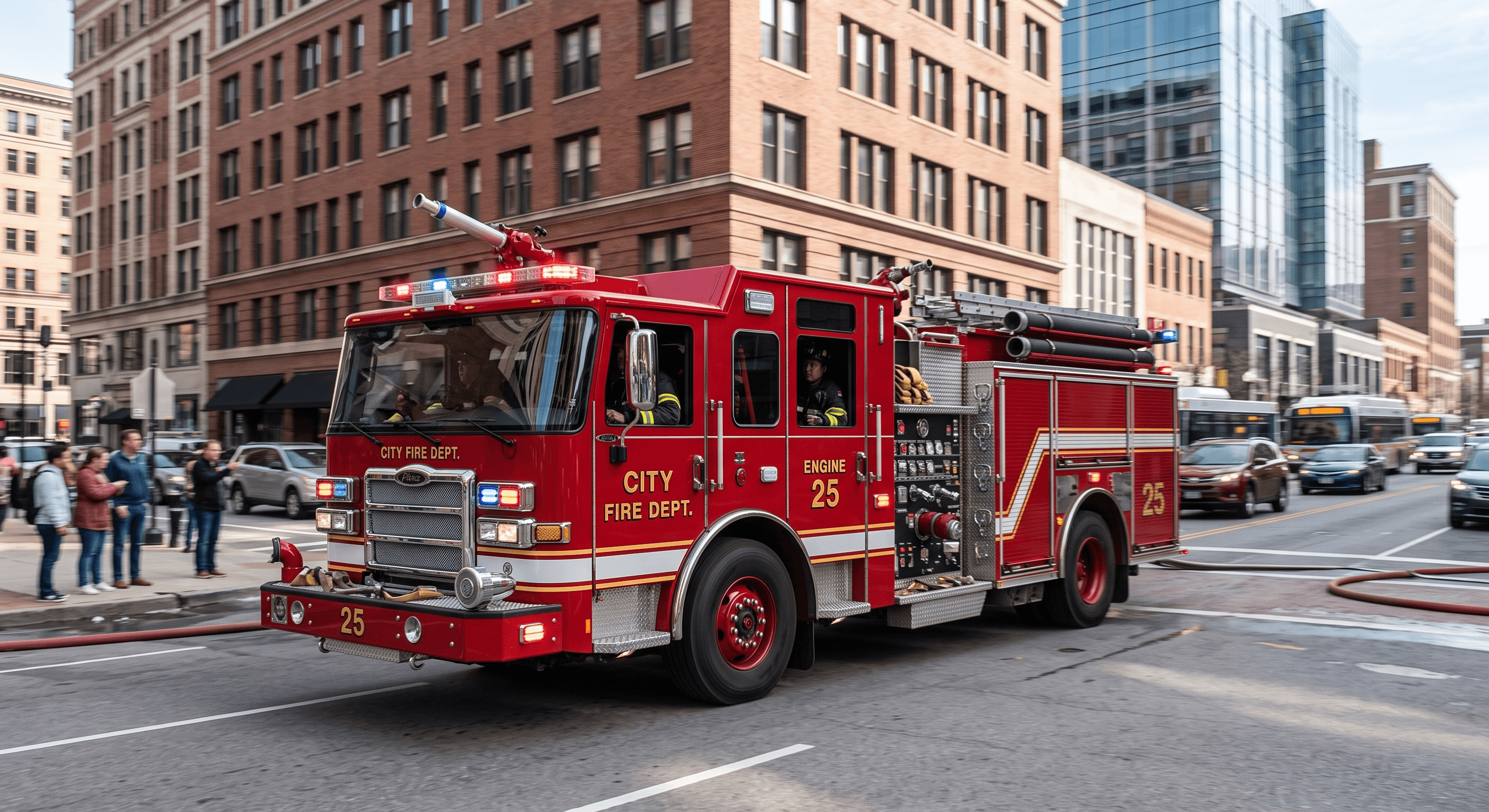
Special Vehicles
Thermal imaging direction for emergency, construction, and special-purpose vehicle projects.
View Special Vehicle SolutionsSelection FAQ
What should buyers confirm first?
Vehicle type, low-visibility scenario, mounting position, display needs, alarm workflow, recorder/platform needs, operating environment, and quantity range.
When should a truck fleet consider using thermal imaging?
Truck fleets should consider thermal imaging for nighttime operations, unlit roads, headlight glare, and selected low-visibility conditions. A truck thermal camera can provide additional road-view information to support driver observation and existing safety systems, but it does not replace driver judgment. Performance depends on environment, mounting position, and system configuration.
Can thermal imaging be combined with surround-view or MDVR?
Yes, it can be reviewed as part of an integrated AI Safety & Vision or video telematics project. Final compatibility depends on interfaces and selected models.
Can detection distance or accuracy be published?
Only after verification from current product materials or project testing. Do not publish unconfirmed performance numbers.
Request product guidance
Share the target vehicle, low-visibility driving scenario, camera position, display needs, and integration requirements. The team can review a suitable AI thermal imaging system direction.